
Blog
Spring Gardening: The Jobs That Actually Make a Difference Right Now
Date Posted: 16 April 2026
Spring has a way of making you feel like you’re behind before you’ve even started. A few warm days, a bit of sunshine, and suddenly everything looks like it needs doing at once. Beds need attention, weeds are creeping in, and there’s that pressure to start planting before you “miss your chance”. But this is where a lot of people get it wrong.
Spring isn’t about doing more. It’s about doing the right things at the right time. Get that part right, and everything else becomes far easier to manage as the season picks up.
Start With What You Can’t See
It’s not the most exciting job, but it’s the one that makes the biggest difference. After winter, soil is rarely in great shape. It’s often compacted, uneven, and lacking structure. You can plant straight into it, but you’ll spend the rest of the season chasing problems that started here.
Taking the time to loosen it, work in compost, and improve how it drains and holds moisture gives everything else a head start. It also changes how the garden feels to work in. Tools move more easily, planting is quicker, and you’re not fighting against the ground every time you do something.
While you’re there, deal with weeds early. Not because you “should”, but because it’s the easiest point you’ll get all year.
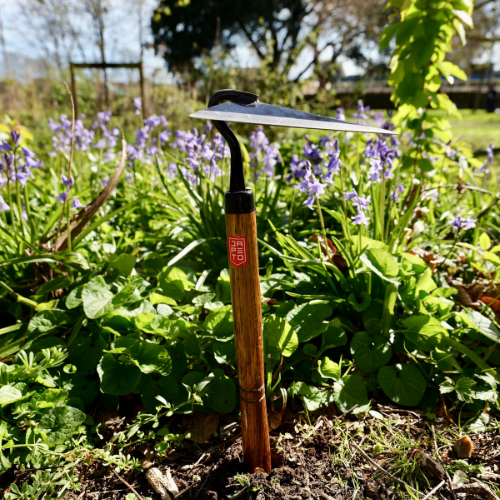
This is where something like our Japeto double edge V hoe weeder really comes into its own, making quick work of early weeds without disturbing the surrounding soil.
Don’t Let the Weather Rush You
A few warm days can make it feel like it’s time to plant everything, but this is where a bit of patience pays off. Hardier crops and plants will establish steadily in these conditions, while anything that needs consistent warmth will often just sit there or struggle.
It’s not about holding back. It’s about being selective. If you’re looking for easy wins, crops like carrots, spinach, peas and beetroot are a good place to start, along with simple herbs. They don’t need perfect conditions, and they’ll give you momentum early in the season.
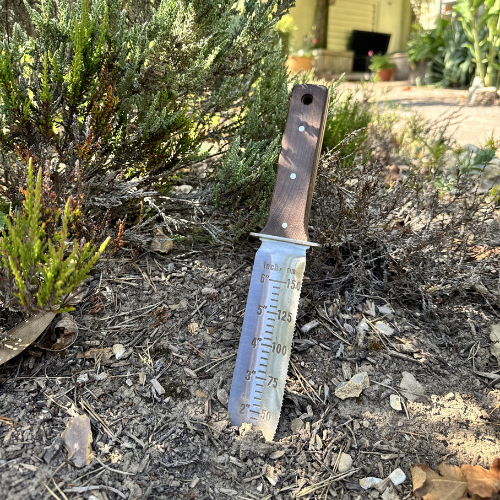
And when you do start planting properly, keep it simple. A tool like our Japeto Hori Hori does most of what you need without overcomplicating things. Digging, planting, cutting through tougher patches of soil without constantly switching tools. It’s the kind of tool you reach for without thinking, which is exactly what you want.

Reset What’s Already There
Not everything in your garden needs replacing. Most of it just needs adjusting. Spring is the moment to step back and look at what’s working and what isn’t. Plants that struggled last year might just be in the wrong spot. Others may have outgrown their space and need dividing.
Lifting and splitting perennials is one of those jobs people put off, but it makes a noticeable difference. You get healthier plants, better spacing, and often more plants than you started with.
It’s also a good time to tidy without overdoing it. There’s no need to strip everything back. Just remove what’s clearly not coming back and give the rest room to grow.
Fill the Gaps Before They Become Obvious
You’ll always notice the gaps in summer, but by then it’s too late to fix them properly. Adding fast-growing flowers or fillers now means everything blends together later on. It stops the garden feeling bitty or unfinished. This doesn’t need to be a big redesign. Even scattering a few seeds into empty spaces can change the overall feel of a bed.
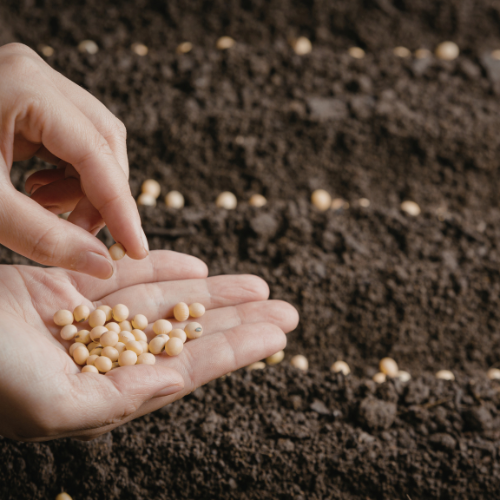
It’s also one of the easiest ways to support pollinators early in the season, which has a knock-on effect across the whole garden.
Stay Just Ahead of It
Spring rewards consistency more than effort. You don’t need to spend hours out there, but dipping in regularly makes a huge difference. Weeds are easier to manage, edges stay sharp, and nothing gets out of hand.
This is where having tools that are easy to grab and use matters more than anything else. If it feels like a faff, you won’t do it. If it feels simple, it becomes part of your routine without thinking.
Watch the Drying, Not Just the Rain
It’s easy to assume spring means everything is well watered.
A quick check is usually enough. Push a finger just below the surface or lift a pot to feel its weight. You’re not trying to soak everything, just keep conditions steady so plants can establish without interruption. It’s less about how much you water, and more about not letting things swing too far in either direction.
Expect It to Be a Bit Messy
There’s always a point in spring where things feel slightly out of sync. Some plants are racing ahead with fresh growth, others are barely moving, and the weather can’t quite decide what it’s doing. Warm days followed by cooler nights can slow things down just as they’re getting going, which is why parts of the garden can feel uneven.
This isn’t a sign that something’s wrong, it’s just how the season works. Different plants respond at different speeds depending on soil temperature, sunlight, and how exposed they are. South-facing areas will often look weeks ahead of more shaded spots, and newly planted areas will naturally take longer to catch up.
This is also the stage where it’s easy to interfere too much. Cutting back too early, overwatering to try and speed things up, or moving plants before they’ve had a chance to settle can do more harm than good. What looks like a problem is often just timing.
Instead, it’s about observation. Keep an eye on what’s actively growing and what’s still dormant, and check for signs of life before assuming something hasn’t made it. Many perennials are slower to reappear and will come through once conditions are right. It’s also worth holding back from filling every gap straight away, as what looks empty now often fills out naturally over the next few weeks.
Trying to force everything into a perfect plan rarely works at this stage. Spring is a transition, not a finished picture, so staying flexible and adjusting as you go will always give you a better result than trying to control it.
Final Thought
You don’t need to do everything to have a good garden.
Get a few key things right now, and everything else becomes easier. Better soil, smarter planting, and staying just ahead of the basics.
Get that right, and instead of chasing your garden all summer, you’ll find it’s already working with you.